Gunjan Ahlawat’s practice marks a compelling transition from visual to spatial design, deeply informed by his rich experience in art and literature. With decades of experience in publishing design, he now extends his sophisticated visual sensibilities into three-dimensional spaces, extending narrative into architecture. Moving fluidly between London and New Delhi, Ahlawat brings a global lens to his work, rich in multicultural nuance and contemporary relevance.
Trained in interior design at the Royal College of Art and visual design at The Glasgow School of Art and a graduate of the National Institute of Design, Ahmedabad, Ahlawat is keen to explore the integration of the two. Formative apprenticeships at Lars Müller Publishers in Switzerland and Faber in the UK further shaped his bespoke design vocabulary. His acclaimed tenure as Art Director at Penguin Random House India shaped the visual identities of authors such as Arundhati Roy, Salman Rushdie, Amitav Ghosh, Jhumpa Lahiri, and Orhan Pamuk. His book covers—visual preludes to the stories they encase—demonstrate a nuanced dialogue between image, text, and tone.
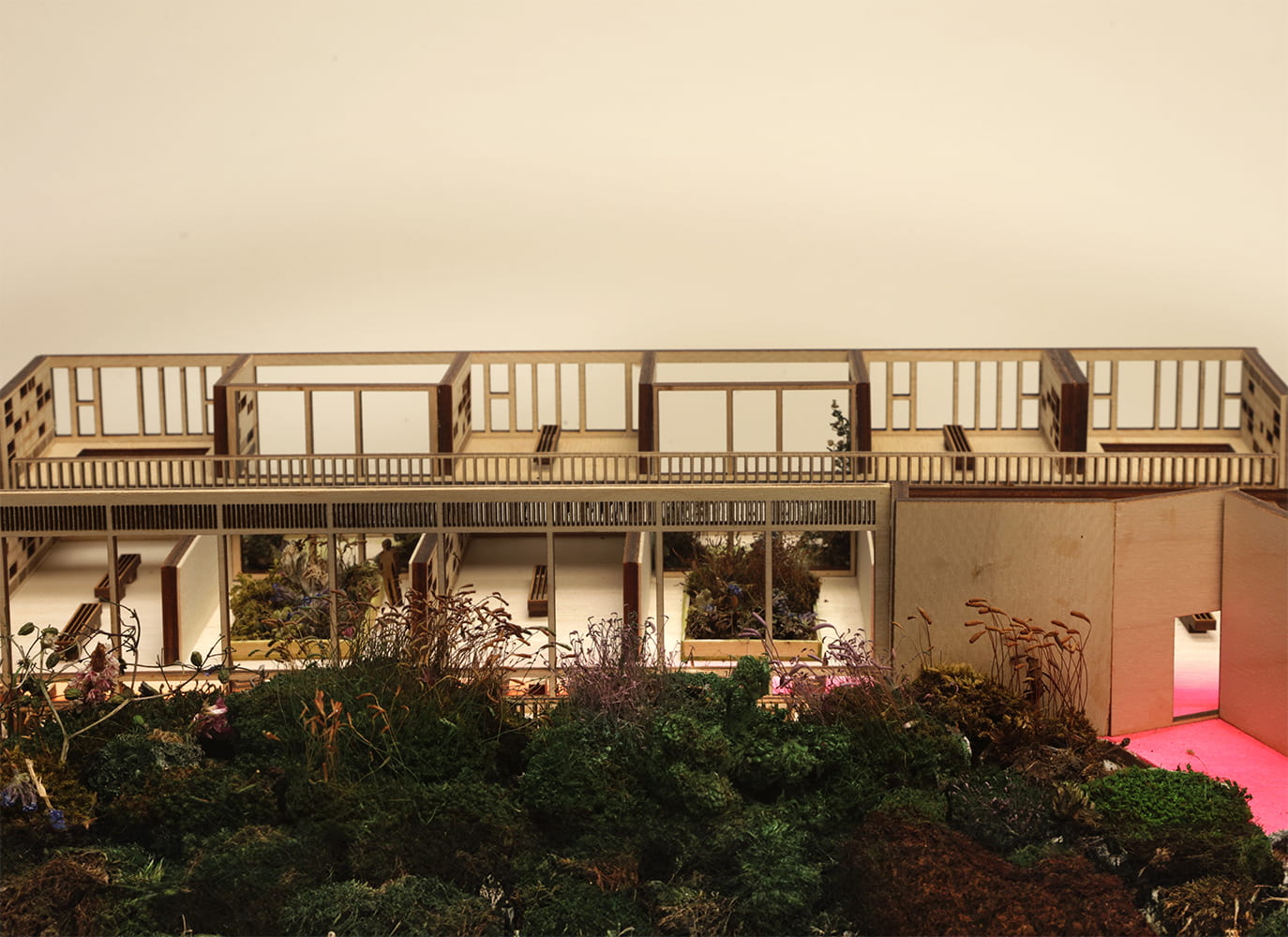
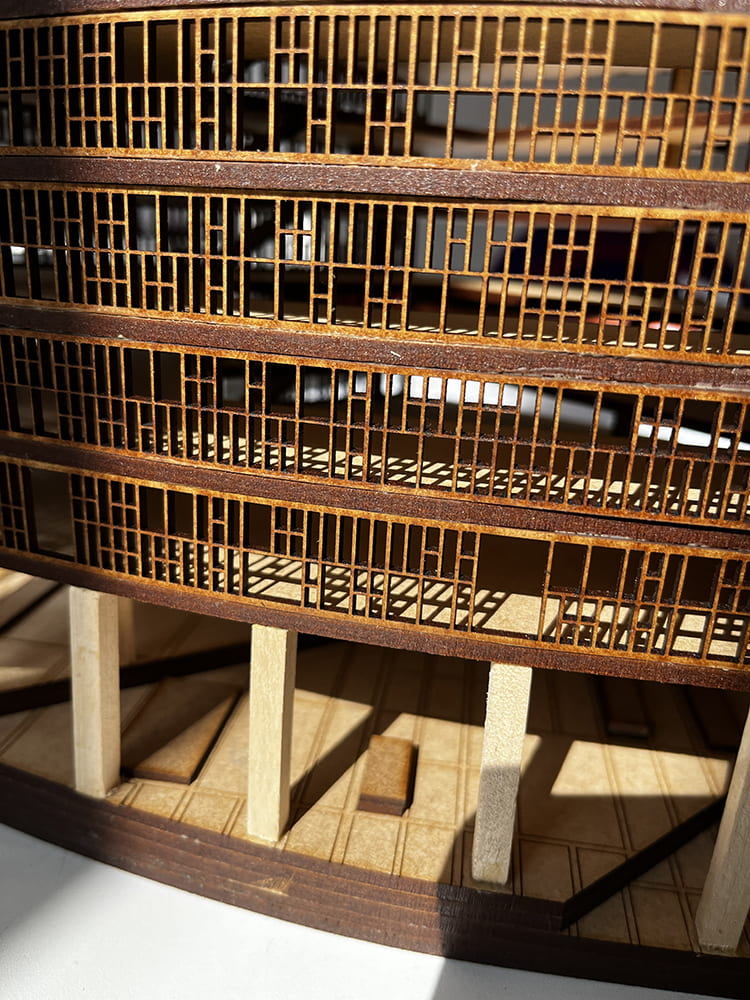
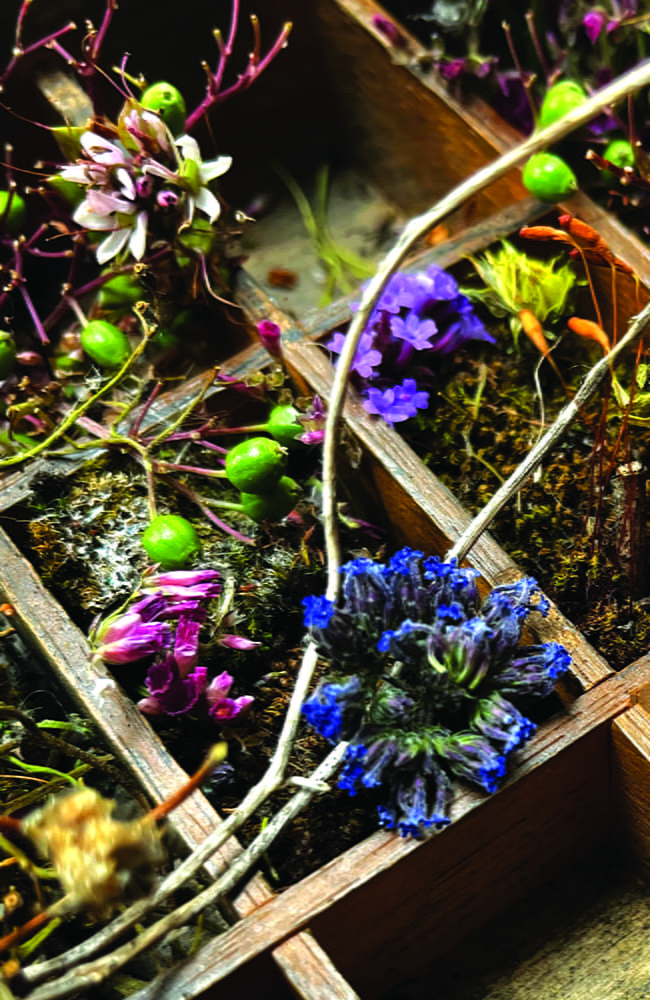
His MA thesis, Poetry of Proportions, is a spatial celebration and visual extension through the dusty lanes of letterpress and literature. Conceived as a quiet sanctuary within the bustle of London, the project draws from the elegant proportions of the letterpress tray, adapting its modular grid into a comprehensive design language—from the façade to shelving systems, spatial hierarchies, and the overall floor plan. Here, the visual becomes spatial; proportion, rhythm, and typography morph into material, light, and movement, channeling the tactile logic of the letterpress into architectural form.
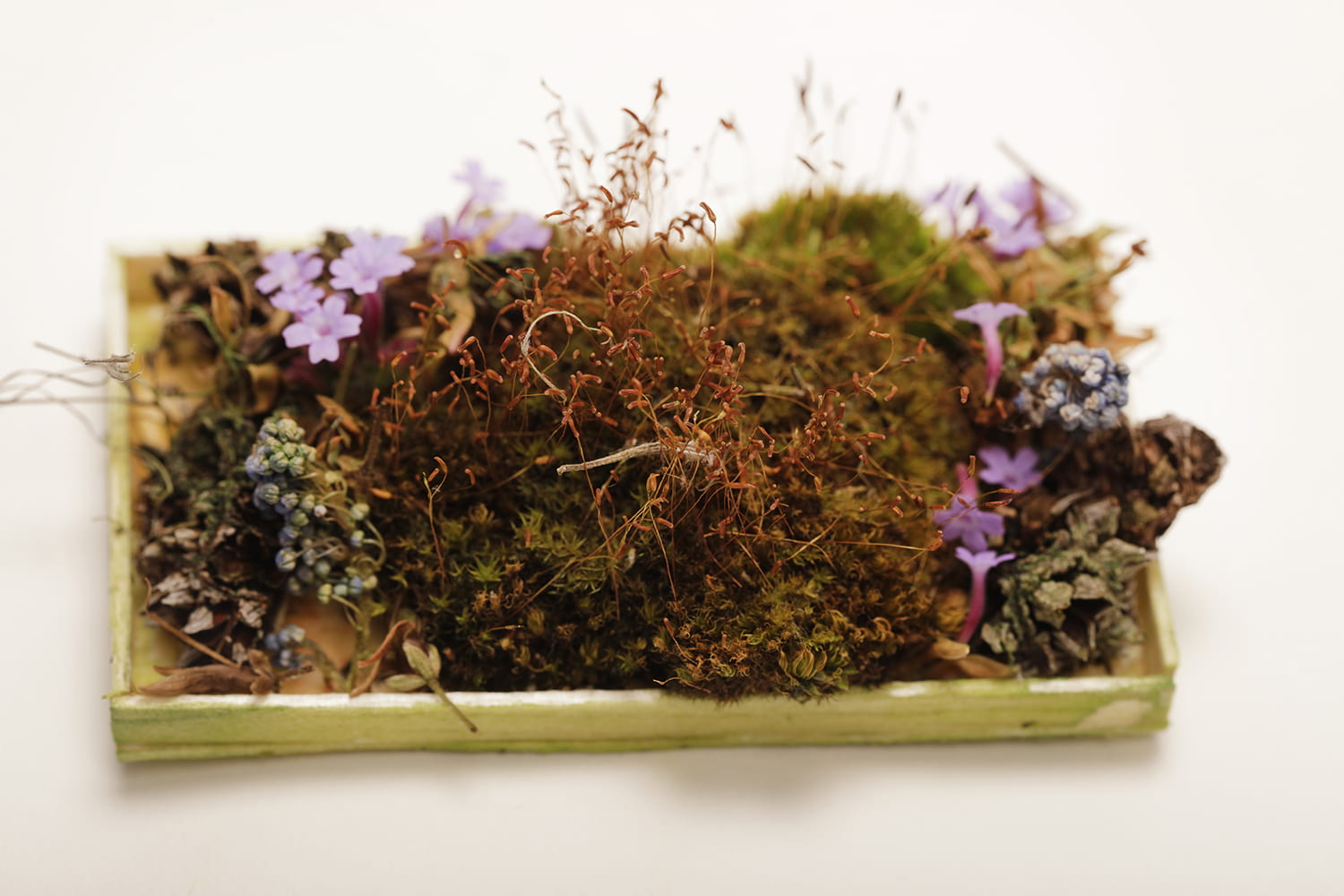
Central to the design is the choreography of natural light and the quiet integration of wilderness into the built environment. Through strategic openings, a once-dark space is reimagined as one of soft luminosity, blurring the boundary between interior and exterior. Set within a lush garden, the library becomes a retreat where architecture dissolves into landscape. Dappled light filters through green spaces into open reading nooks; shelves follow the meandering rhythm of garden paths, inviting slow discovery. More than a space for reading, this library is a site of restoration—where nature and knowledge meet in stillness.
Ahlawat’s work reveals how spatial design can carry the same narrative depth and emotional cadence as visual design—inviting us to inhabit stories, not just see them.