What happens when the value of public statues becomes questioned in contemporary society?
How do the opposing concepts of societal solidarity and collective memory fit into public space? Statues and monuments in public spaces have been toppled since the BLM and WOKE movements, not just in the UK but all over the globe
The fall of the Colston statue in Bristol has sparked a wider conversation about the role and significance of monuments in public spaces. While monuments have traditionally been used to commemorate important historical figures or events, their meaning and symbolism can shift over time as society and culture evolves.
What was once considered an acceptable way to commemorate a particular person or event may now be seen as inappropriate or offensive. As our understanding of history changes and new perspectives are brought to light, it is important to critically evaluate the monuments in our public spaces and consider whether they still hold value and relevance in today’s society.
In some cases, the removal or relocation of a monument may be necessary to reflect changing cultural attitudes and values. However, it is also important to remember that monuments are a reflection of our history, and their removal does not erase the past. Rather, it is an opportunity to engage in dialogue and reflection about our collective history and how we choose to remember it.
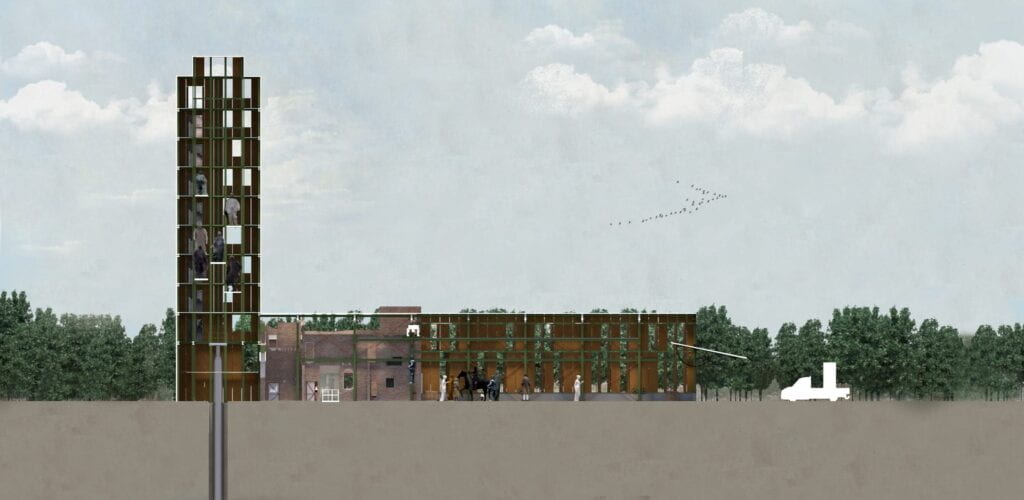
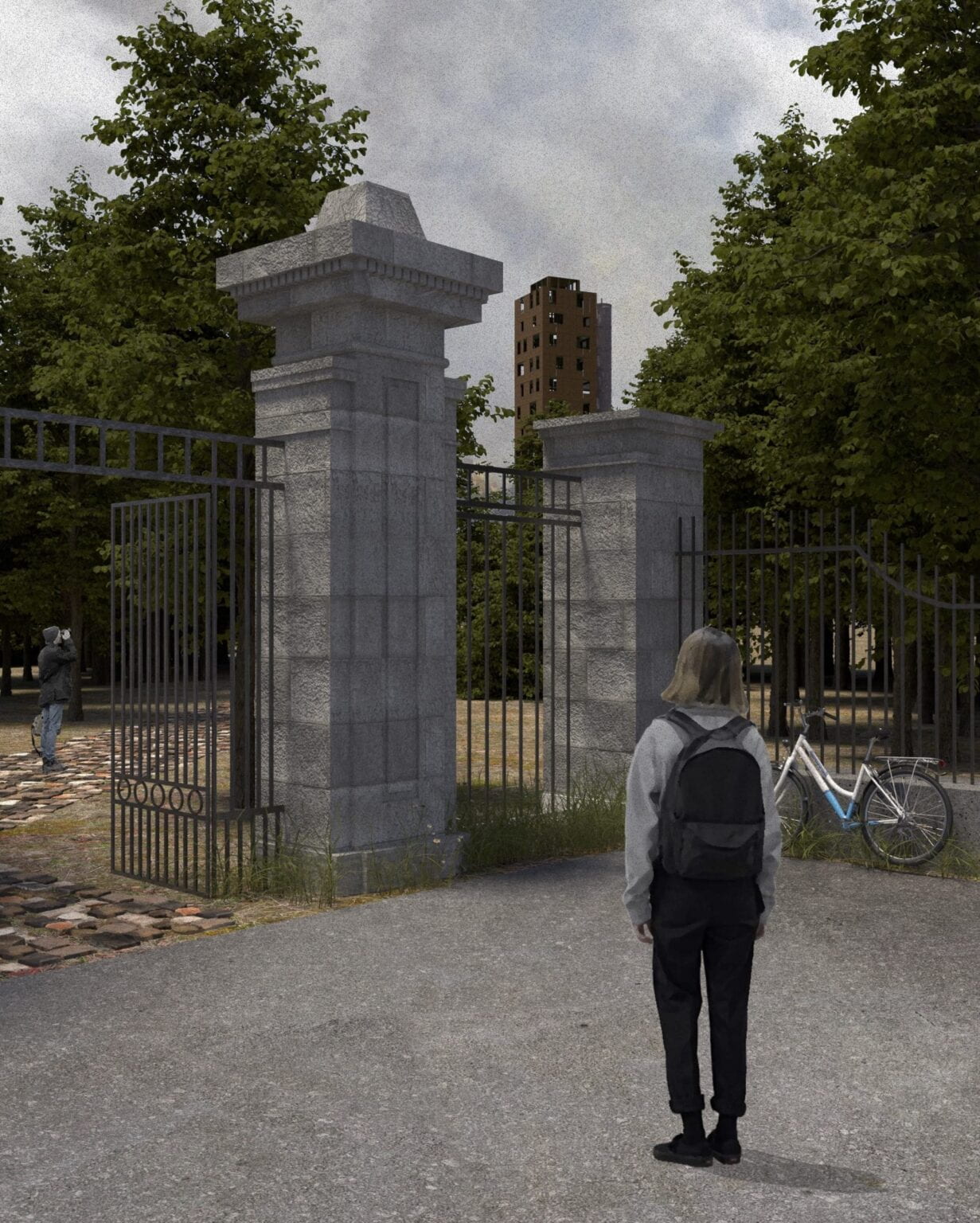
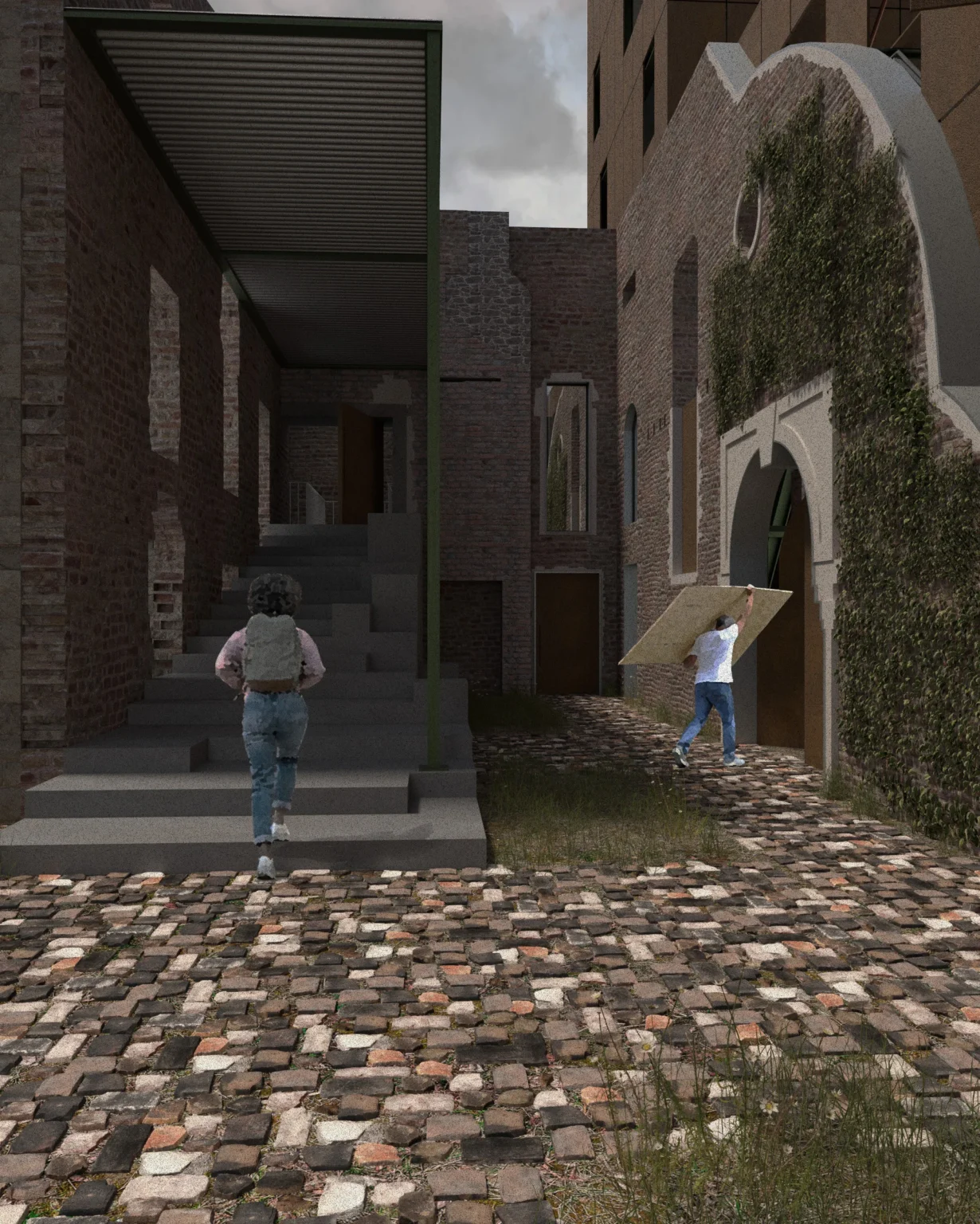
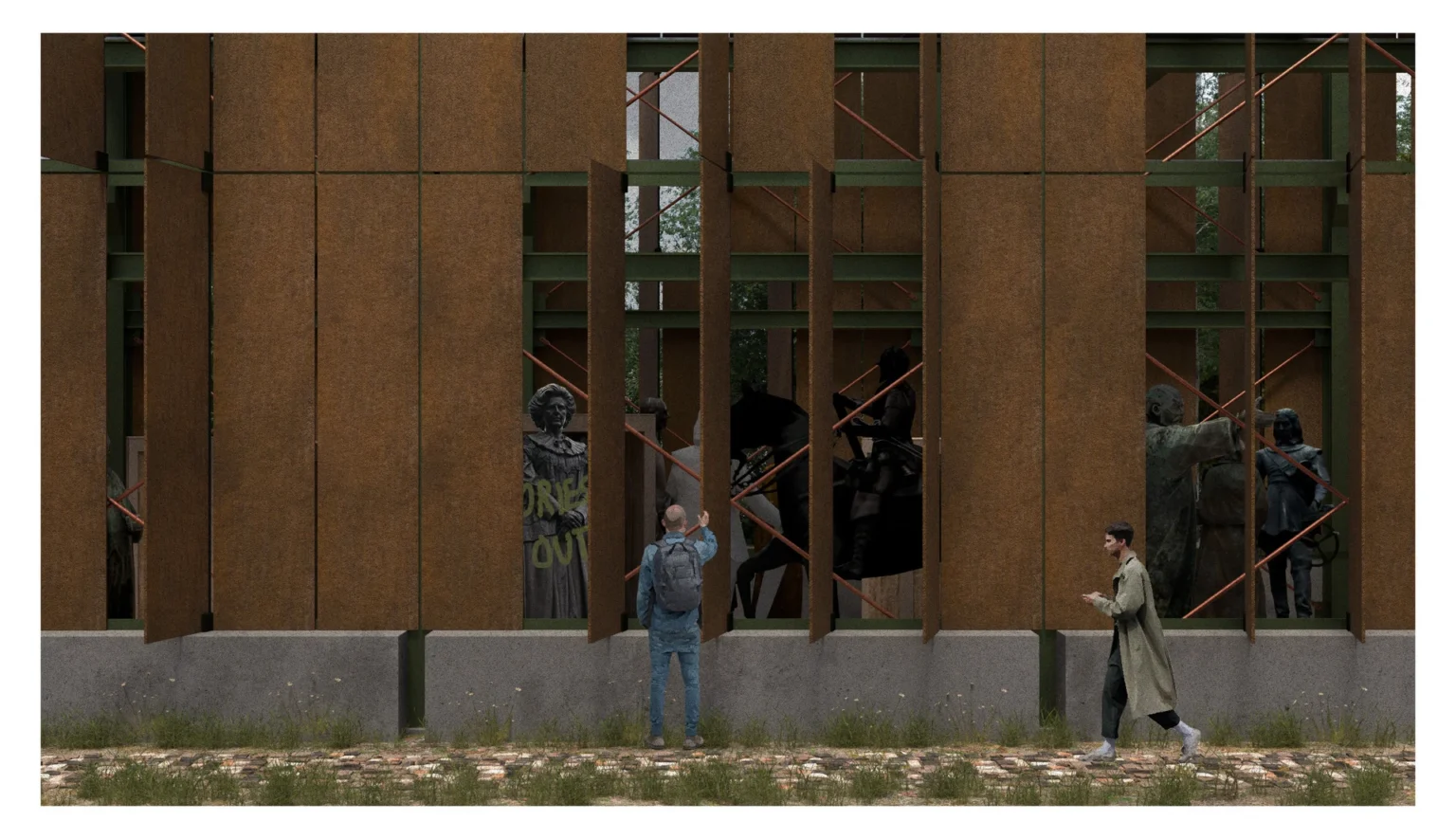
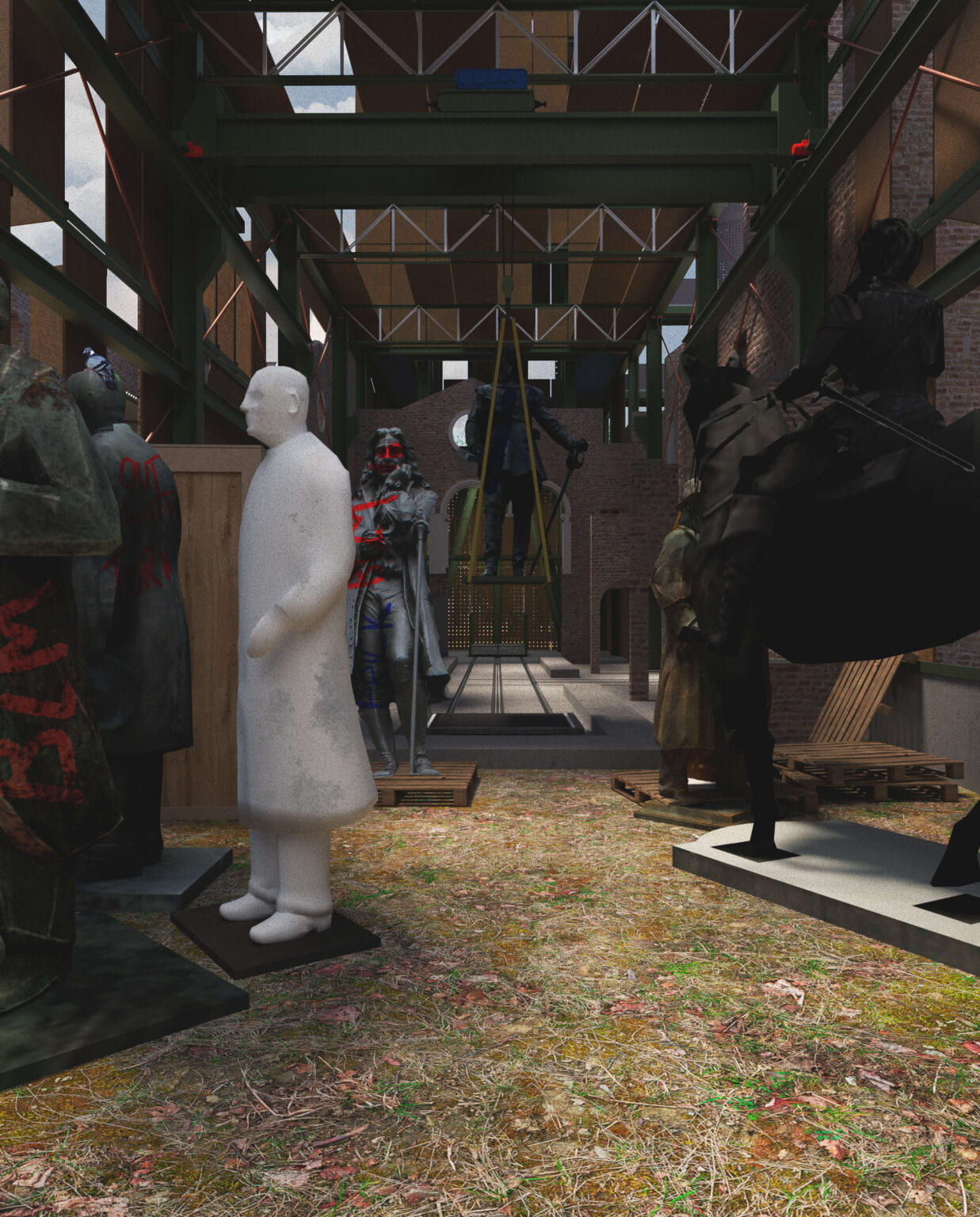
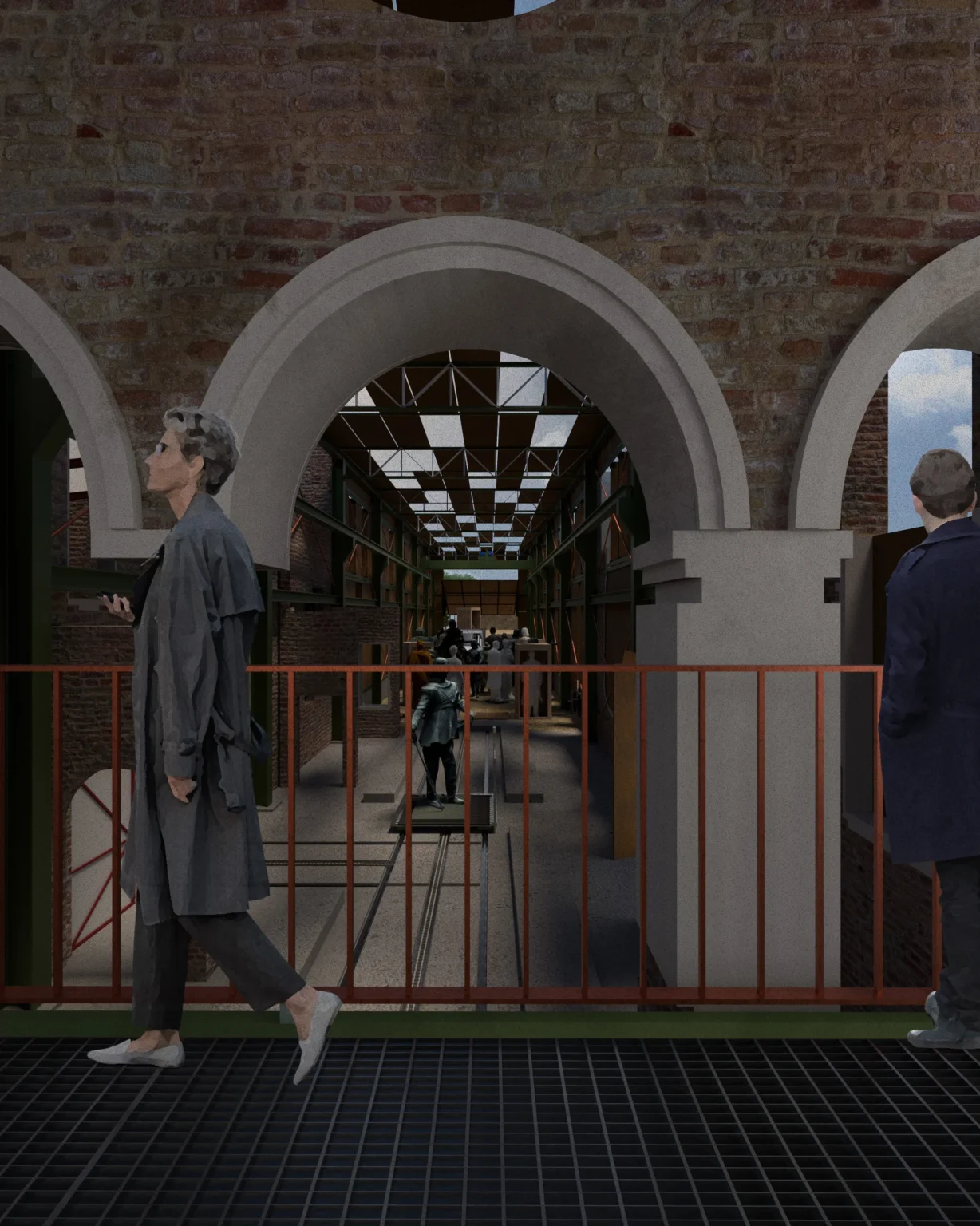
The controversy surrounding these monuments calls for a new approach to preserving these pieces of history. The Monument Factory is where controversial statues and monuments can be safely stored and archived, away from public spaces.